
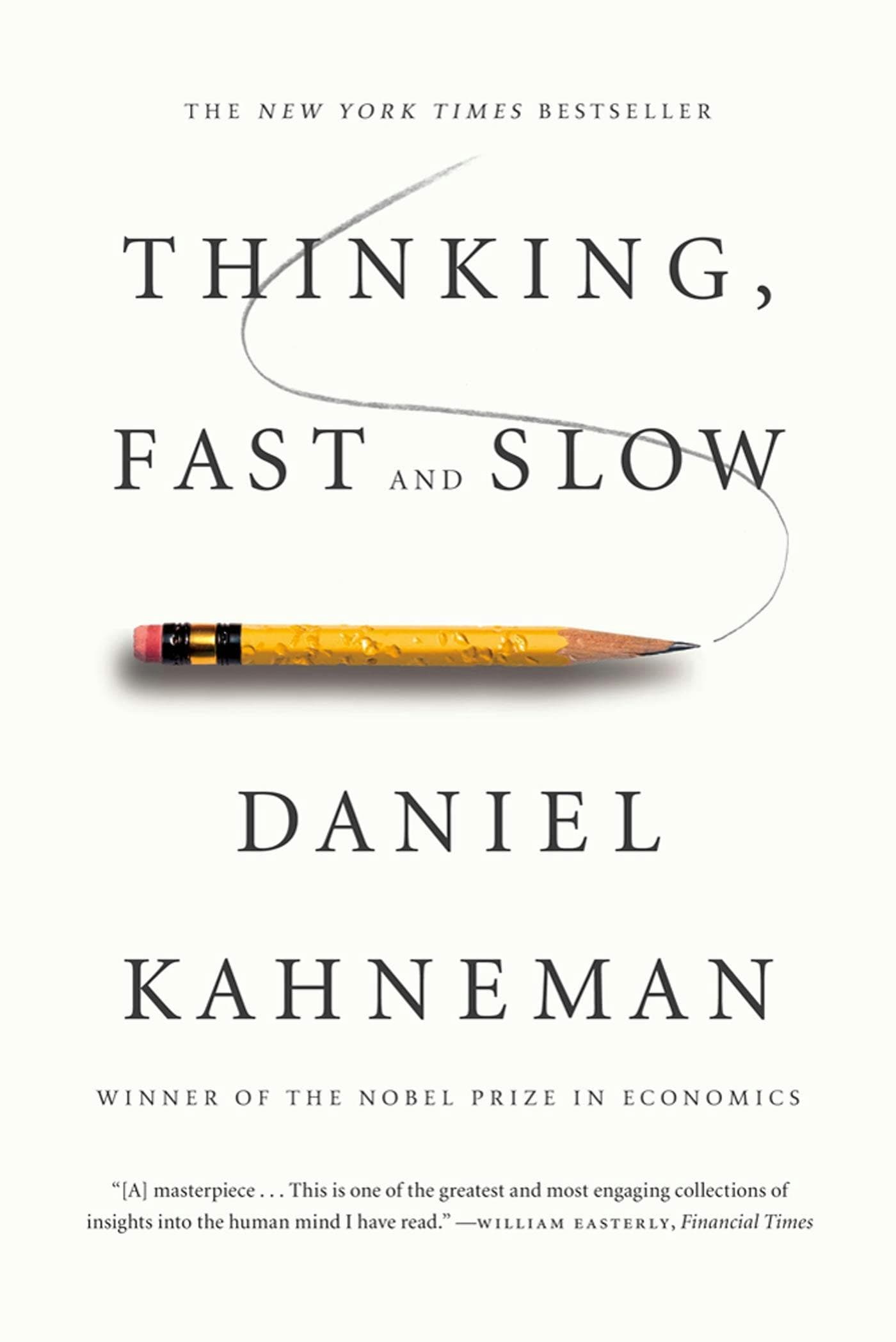
Our Review
The title makes a promise of clarity, but Thinking, Fast and Slow asks for patience. Daniel Kahneman explores why an answer can feel convincing before we have examined how we reached it. The contrast between quick, intuitive judgement and slower, deliberate thought gives the reader a useful organising model. It should not be taken to mean there are two neatly separated characters living in the brain. Kahneman uses the distinction to discuss patterns of thinking. The interesting reading experience comes when a question catches you making an assumption. That moment is more valuable than memorising a long list of bias names. A label can describe a problem without giving you the skill to avoid it. The book's density is both an attraction and a barrier. Short sessions, notes and a willingness to revisit a passage help. Readers looking for a brisk set of productivity tips will probably find the pace frustrating. It is also worth keeping the purpose of the exercise modest. Knowing about an error does not make a person immune to it. Using the vocabulary to dismiss someone else's judgement can become its own kind of overconfidence. Apply the questions to your own estimates and first impressions before reaching for them in an argument. Recommended for readers curious about decision-making who are comfortable with a sustained explanation. Bring a real example—a forecast, a hiring impression or a rushed estimate—and ask what information you used and what you ignored. The book is more useful as a prompt for careful inquiry than as a certificate of rationality. Source: Macmillan's publisher description and excerpt for Thinking, Fast and Slow, including its explanation of System 1 and System 2.