
Our Review
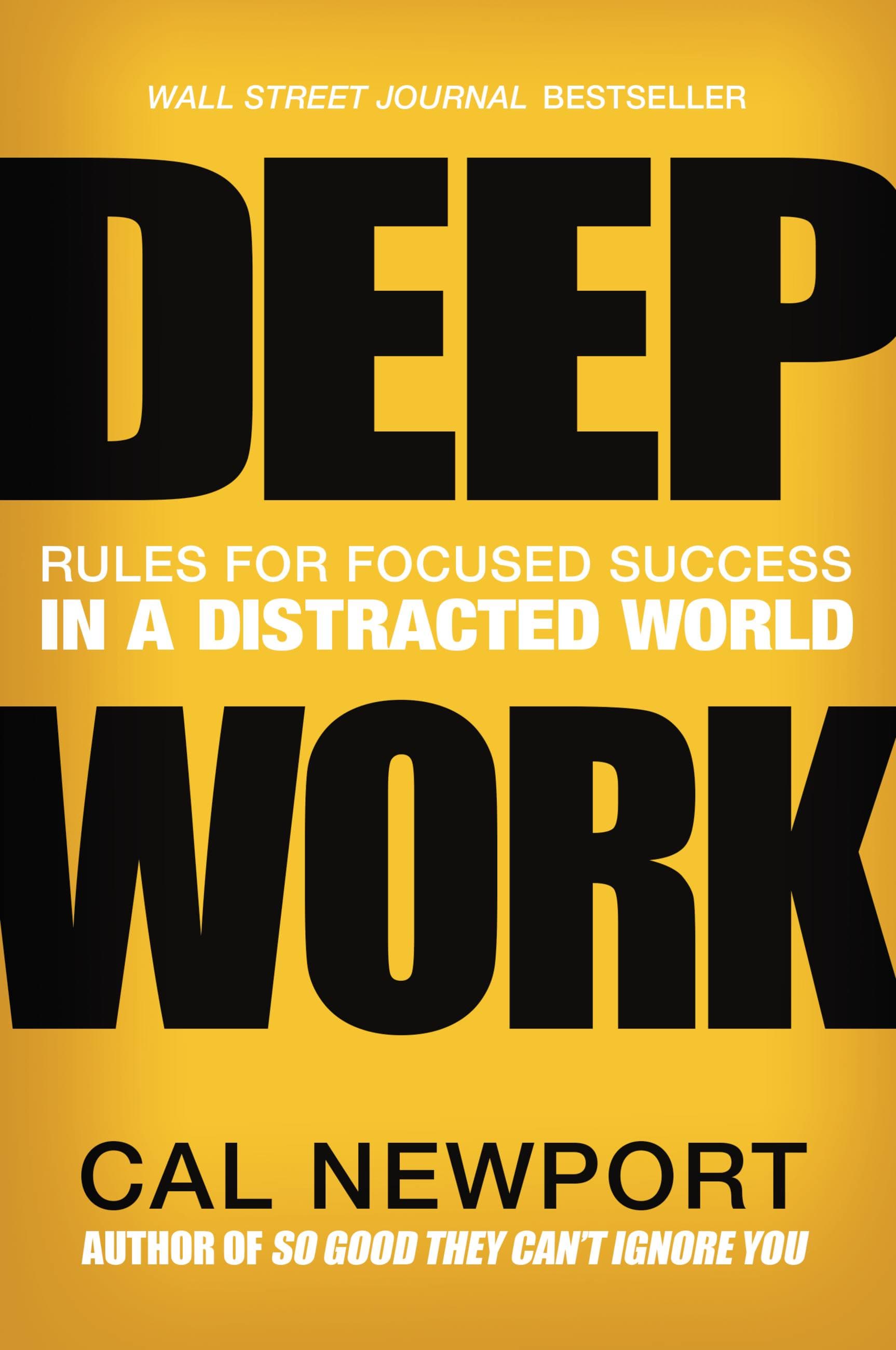
Deep Work addresses a familiar frustration: a day can be crowded with communication and still leave the important work untouched. Cal Newport argues for giving demanding tasks sustained attention instead of expecting them to fit between interruptions. The useful change is one of planning. A difficult piece of work becomes an appointment with a purpose, not an item that remains on the list until the inbox is empty. For writing, studying or solving a complicated problem, that is a practical distinction. The limitation is control. Not every reader can withdraw from messages for long stretches. Some jobs are built around responding to other people, and some households cannot offer predictable quiet. Advice about concentration needs to make room for those facts. That does not make the book irrelevant. It changes the scale of the experiment. A shorter block, agreed with colleagues, may be more realistic than a dramatic schedule. Preparing the task in advance may help more than extending the timer. This is a good fit for readers who want to question whether busyness is producing worthwhile work. It is less useful if treated as proof that all meetings, communication or interruptions are waste. Much valuable work is collaborative. The worthwhile test is simple: does an idea from the book help you do something difficult a little better? Judge it by that result, rather than by how closely your routine resembles the author's. Sources: Cal Newport's official Deep Work introduction and essays on work rituals at calnewport.com.