
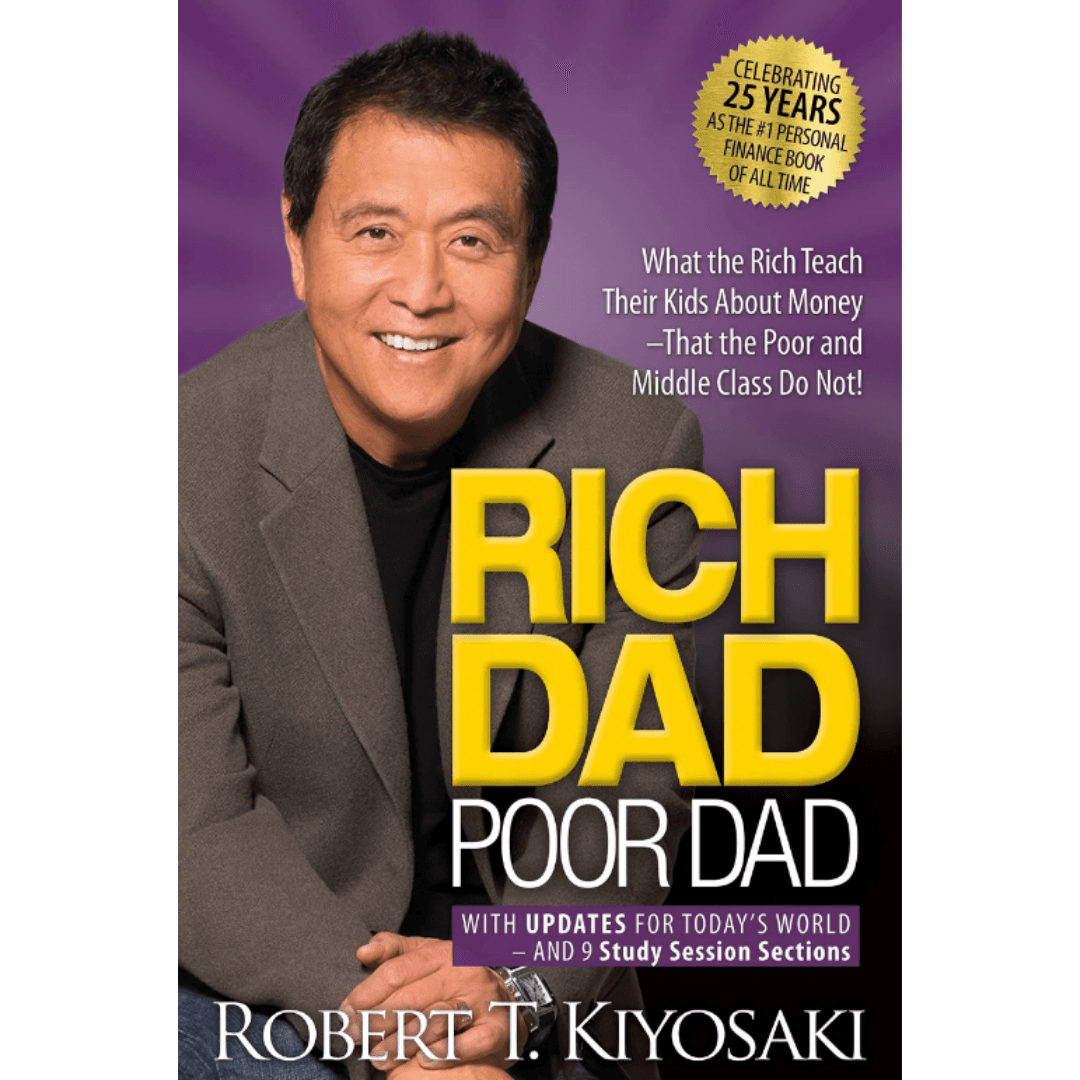
Rich Dad Poor Dad is often handed to someone who has just started earning. Its appeal is easy to understand: it makes money feel like something you can learn about, rather than a subject reserved for people with finance degrees. The book is a lively prompt to pay attention. It is less convincing as a complete set of instructions. ## The useful question is about cash flow Robert Kiyosaki encourages readers to notice what brings money in and what creates continuing costs. Applied carefully, this can reveal the difference between an affordable purchase price and an affordable commitment. A useful reading exercise is to take a hypothetical purchase and list the costs that continue after the first payment. Maintenance, financing and periods without income can change the picture. The point is to practise asking fuller questions, not to assume every purchase must generate a return. ## An accounting distinction matters Kiyosaki uses “asset” and “liability” as a shorthand for money coming in or going out. Those are not the standard accounting definitions. An asset is a controlled economic resource with the potential to provide benefits; a liability is an obligation to transfer a resource. For example, a home and the mortgage used to buy it are separate things. Calling the home a liability because it costs money to maintain may communicate a cash-flow concern, but it blurs that distinction. A memorable rule is not always a precise definition. ## Motivation is not due diligence The book's confidence can make ownership and entrepreneurship sound simpler than they are. A business can lose money. Property can require repairs, sit vacant or be difficult to sell. Borrowing creates obligations even when the hoped-for income does not arrive. Readers in India should also avoid carrying examples about taxes or property straight across from another country. This essay reviews the book; it does not recommend a transaction, investment or borrowing strategy. ## How to get something useful from it Keep a page with two columns while reading: questions the book helps you ask, and claims that need more evidence. That turns an energetic argument into the beginning of your research rather than the end of it. Its strongest contribution is encouraging financial curiosity. For the details, you will need more precise sources and an understanding of your own circumstances. Source notes: Rich Dad's explanation of its cash-flow approach (richdad.com/assets-vs-liabilities/); IFRS Conceptual Framework, Chapter 4, for accounting definitions (ifrs.org/issued-standards/list-of-standards/conceptual-framework/).
Finance ReadsIssue #43
Rich Dad Poor Dad: Useful Questions, Incomplete Answers
Kiyosaki makes cash flow easy to discuss. The book becomes more useful when you separate that lesson from its accounting shortcuts and investment rhetoric.
📅 May 15, 2026🕐 2 min read
FinanceReal EstateInvesting